AI video generator with licensed footage
Make 8–35 minute YouTube documentaries where every shot shows where it came from. Stock and archive footage comes with its licence, unlicensed web photos are marked, and you see every scene before render.
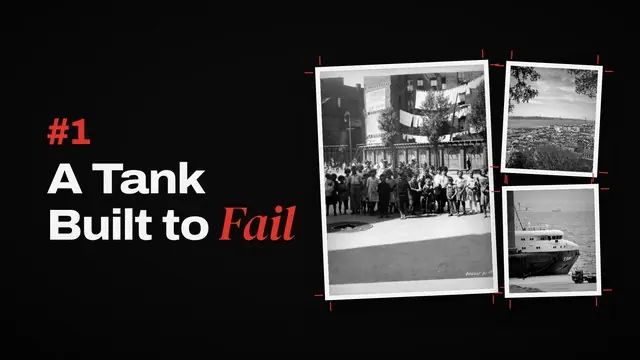
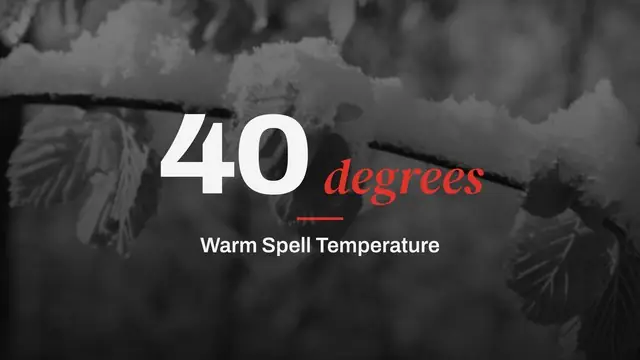
Chapter 1 · A Tank Built to Fail
Chapter title · Graphite styleOn a warm January morning, the tank on Commercial Street gave way.
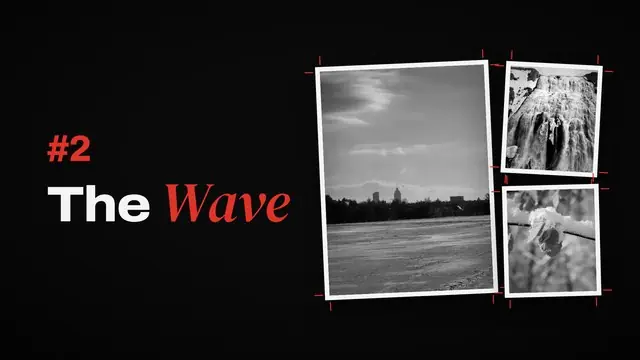
Wikimedia Commons · Public domain Wikimedia Commons · Public domainSwappedWithin seconds, a wave of molasses up to 25 feet high rolled through the North End.
Needs reviewWikimediaWikimediaWikimediaPexels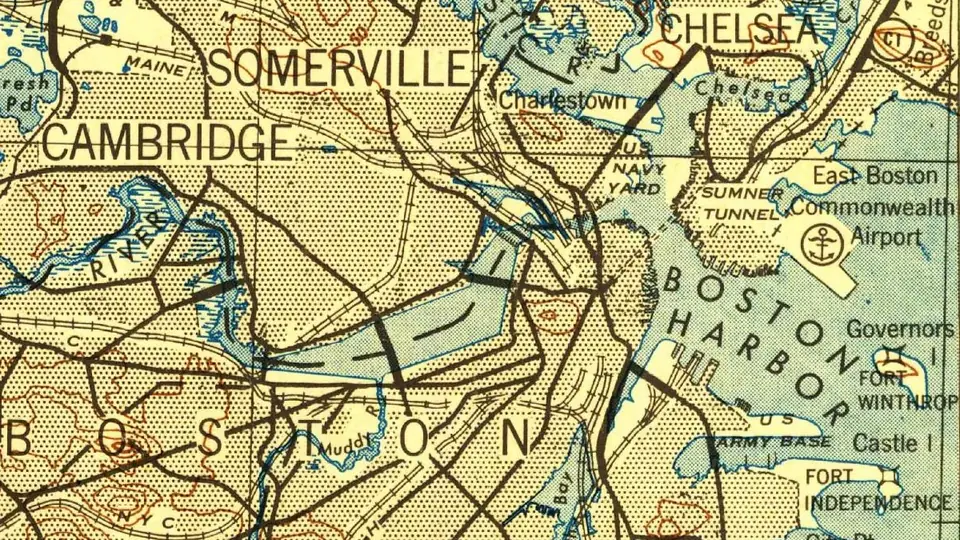
How ViCut keeps every shot traceable in 4 steps
Start from an idea, a script or your voice
Type a topic, paste a script or upload your narration. Pick the length, voice and style.
What’s the next documentary?
Footage from named sources
ViCut searches Wikimedia Commons, Openverse, Pexels, Pixabay and USGS historical maps, and keeps each shot’s source and licence. With Web photos on, it also finds real photos of the people and places you name, marked as not licensed.
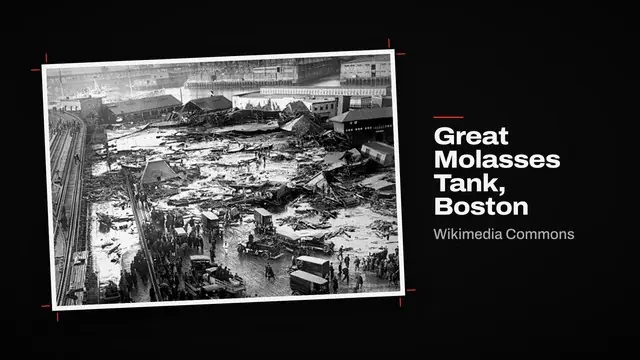
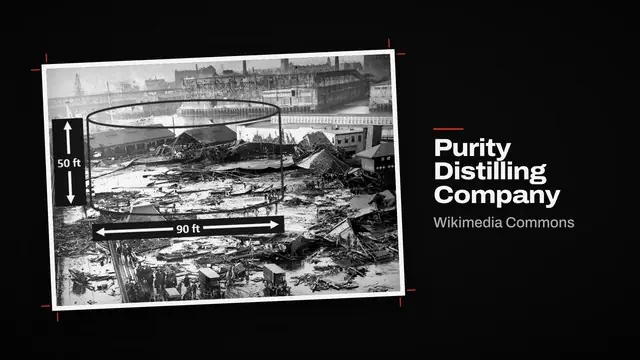
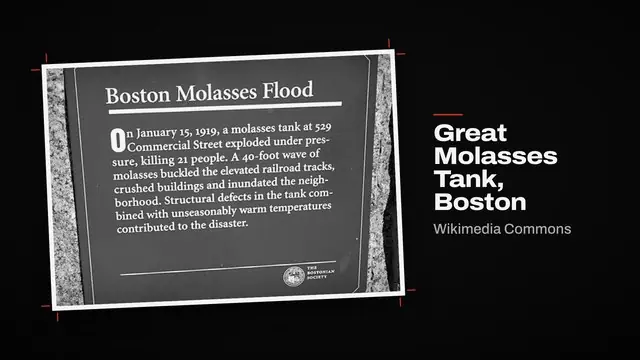
On January 15, 1919, a steel tank holding 2.3 million gallons of molasses burst in Boston’s North End.1
A wave up to 25 feet high moved through the streets at about 35 miles an hour.2
Twenty-one people died and about 150 were injured.1
Review every scene
Each scene shows its shot, source and licence. Pick an alternative, search stock, archives or the whole web, upload your own, or swap the unlicensed photos in one click.
Chapter 1 · A Tank Built to Fail
Chapter title · Graphite styleOn a warm January morning, the tank on Commercial Street gave way.
Wikimedia Commons · Public domain Wikimedia Commons · Public domainSwappedWithin seconds, a wave of molasses up to 25 feet high rolled through the North End.
Needs reviewWikimediaWikimediaWikimediaPexelsRender with credits
Download the MP4 and the YouTube pack. Its description lists the credits each licence asks for.
Boston Molasses Flood plaque · Wikimedia Commons · CC BY-SA 4.0
+ 42 more
7:51Know where every shot came from
What ViCut shows for each shot
- Source and licenceEvery stock and archive shot names its source and licence: public domain, CC0, CC BY or CC BY-SA. Non-commercial and no-derivatives licences are left out.
- Unlicensed photos, markedPhotos from news and reference sites belong to their owners. The storyboard labels each one, and one click swaps them for licensed alternatives.
- Nothing renders unseenYou see every scene before render credits are spent, so nothing reaches your channel by surprise.
When another tool fits better
- Fully generated visualsIf you want AI-generated scenes instead of real footage, a generation tool is the better pick.
- Shorts and clipsViCut makes videos from 8 minutes up; for 60-second clips another tool fits better.
For these, a tool built on AI generation is the better pick. Compare AI video tools →
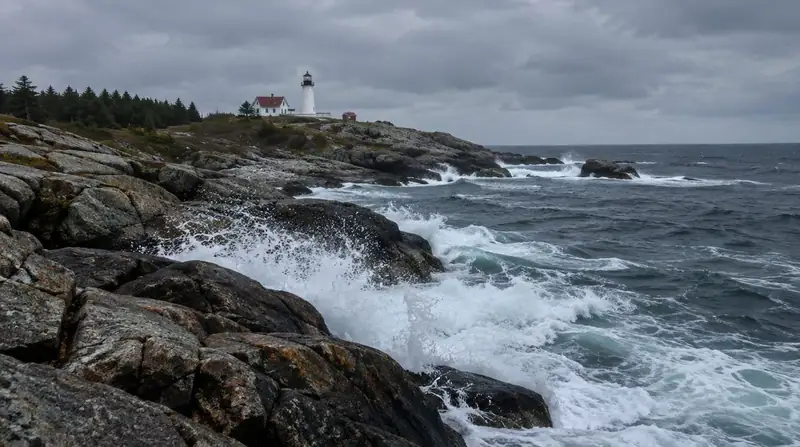
Where ViCut finds footage

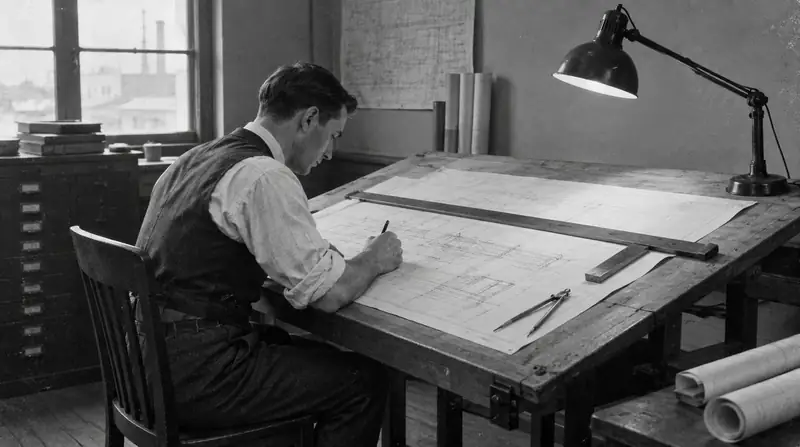
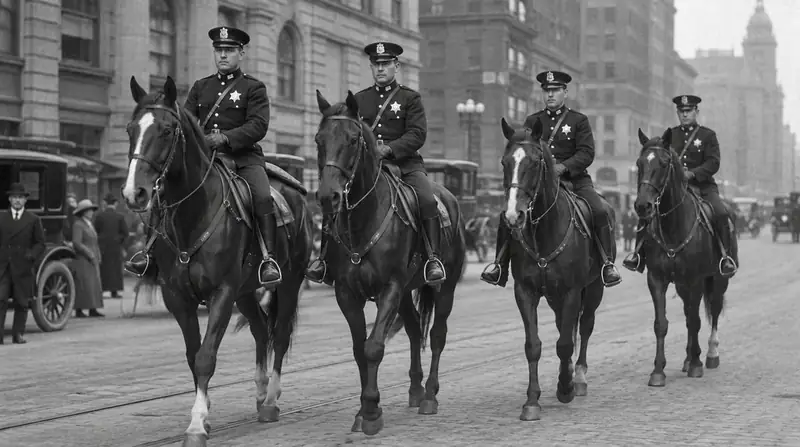
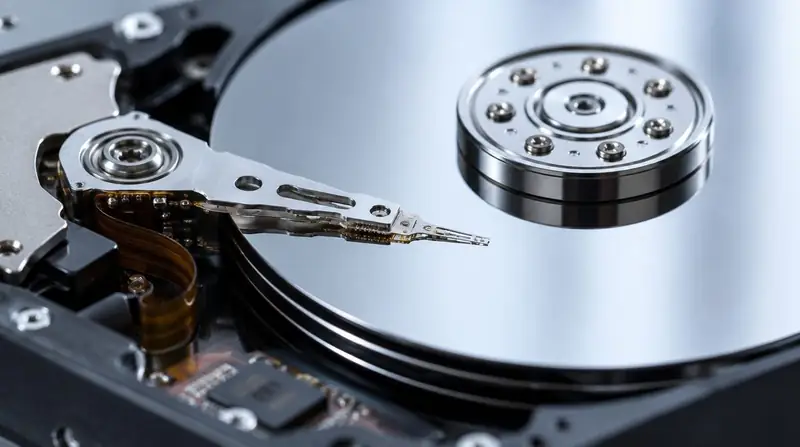
Everything a documentary needs to go live
Chapters, narration and a source for every figure.
Pick a voice or upload your narration; ViCut cuts to it.
Historical maps, numbers and timelines drawn in your style.
Burned in or as an SRT file.
Options made from the video’s own frames.
Title, description with chapters, credits and tags.
Watch what ViCut makes
Frames from real ViCut renders: narration, footage, chapter cards and subtitles as they come out of the render.
From $0.42 per finished minute. A 20-minute video uses 20 minutes of your plan.
See pricingQuestions about licensed footage
Is the footage in ViCut videos licensed?
Stock and archive shots are: they come from Wikimedia Commons, Openverse, Pexels, Pixabay and USGS maps, each with its licence. Photos of real people and events found on news and reference sites are not licensed to you; the storyboard marks each one. Your own uploads are yours to clear.
Which Creative Commons licences does ViCut use?
Public domain, CC0, CC BY and CC BY-SA. CC BY and CC BY-SA ask you to credit the author, and the YouTube pack lists those credits for your description. Non-commercial (NC) and no-derivatives (ND) licences are left out: a monetized, edited video needs both rights.
Can I keep photos from news sites out of my video?
Yes. Switch off Web photos in the composer before you build. On an existing storyboard, the Replace unlicensed button swaps those photos for licensed alternatives wherever a scene has one.
What if a video gets a Content ID claim?
Open the claim in YouTube Studio. If the shot is licensed, the source and licence ViCut kept for it are your evidence for a dispute. A claim isn’t a copyright strike, but three strikes within 90 days can close a channel, so swap any shot you can’t back up before you render.
Does licensed footage guarantee monetization?
No. A licence settles who may use a shot; monetization depends on your channel being original. YouTube reviews channels, not tools, so nobody can promise monetization.