On this page
Write the title first, then collect about a dozen facts with sources. Open with the most dramatic moment in the first 30 seconds and say what the video will answer.
Split the story into 3–5 chapters that each answer one question and end on the next one. Write for the ear: short sentences, numbers as they are spoken, a place, person or object in every sentence.
A 20-minute video needs about 2,800 words at 140 words a minute. ViCut can draft the script with sources in its Idea mode; you edit it before the storyboard is built.
How long a YouTube script should be
ViCut’s AI voices read about 140 words a minute; most human narrators read 140–160. A 20-minute documentary needs about 2,800 words. Aim for one chapter every 5 minutes, and a hook of about 70 words.
At 140 words a minute, the pace of ViCut’s AI voices. Time one paragraph read aloud by your narrator to check.
Write the title and the promise first
The title tells viewers what they will get; the script’s only job is to deliver it. Write the title, then one sentence that says what a viewer will know by the end. Everything that doesn’t serve that sentence stays out.
Prompt 2 in the YouTube automation guide writes titles and hooks.
Collect a dozen facts with sources
Before you write a line, gather the facts the story stands on: dates, numbers, names, places and the one detail that sounds unbelievable. Keep the source next to each one; history viewers check, and a wrong date in the comments costs trust.
You are a researcher for a YouTube documentary about [topic].

List 12 facts a viewer would repeat to a friend: exact dates, numbers, names and places, and the one detail that sounds unbelievable but is true.

For each fact give:
- the fact in one sentence;
- the source (publication or archive) and a link;
- how sure it is: confirmed by 2+ sources, or single source.

Put the most surprising fact first.
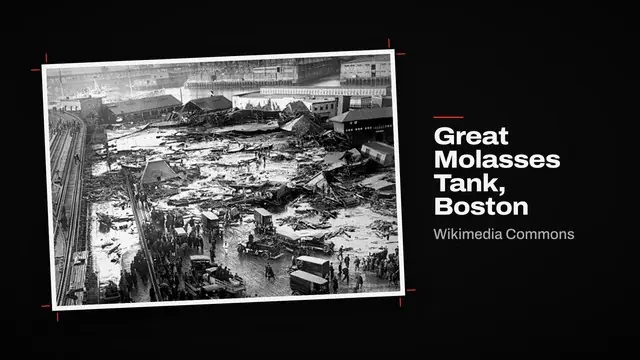
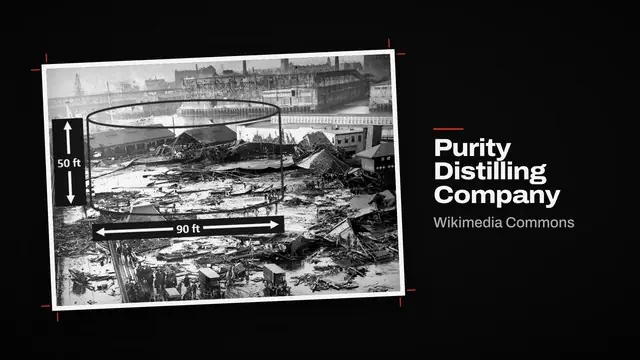
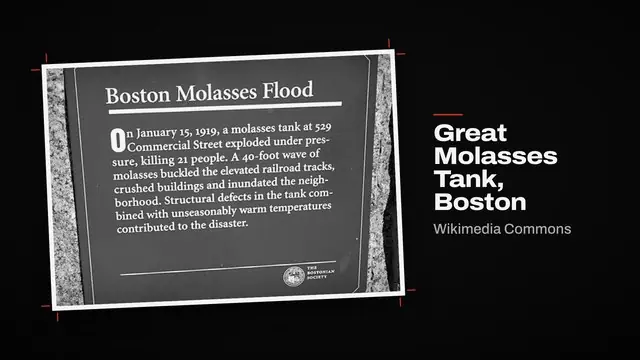
On January 15, 1919, a steel tank holding 2.3 million gallons of molasses burst in Boston’s North End.1
A wave up to 25 feet high moved through the streets at about 35 miles an hour.2
Twenty-one people died and about 150 were injured.1
Open with the most dramatic moment
The first 30 seconds decide whether people stay. Don’t start with the date or the background: start in the middle of the event, give one surprising number, and say the question the video will answer.
About 70 words is enough. Keep the background for after the hook.
Outline 3–5 chapters, each with a question
Chapters keep a long video moving. Give each one a question it answers and end it on the next open question, so viewers have a reason to keep watching. Chapters also become the timestamps in your YouTube description.
Outline a [length]-minute YouTube documentary titled “[title]”, using the facts below.
[paste the facts]

- A 30-second hook that opens on the most dramatic moment and says what the video will answer.
- [3–5] chapters. For each: a title, the question it answers, the 2–3 facts it uses, and the open question that leads into the next chapter.
- An ending that says what changed because of this story.

Give an approximate start time for each part.
Write for the ear, not the eye
A script is heard once, at the narrator’s speed. One idea per sentence. Numbers and dates written the way they are spoken. No brackets, footnotes or “see below”: a listener can’t look back.
Rewrite this script so it sounds natural read aloud by a narrator:
[paste the script]

- One idea per sentence, most sentences under 20 words.
- Write numbers and dates the way they are spoken (“two point three million gallons”, “January fifteenth, nineteen nineteen”).
- No brackets, footnotes, bullet points or stage directions.
- Name the place, person or object in every sentence where you can, so there is something to show on screen.
- Keep every fact and figure unchanged.
| Before | After |
|---|---|
| On 15/1/1919 (a warm day, ~40°F) the tank failed. | January fifteenth, nineteen nineteen, was unusually warm. That afternoon, the tank failed. |
| 2.3M gal. of molasses (≈ 8,700 m³) escaped. | Two point three million gallons of molasses poured out. |
| The USIA-owned tank, see below, was never tested. | The tank belonged to a company called U.S. Industrial Alcohol. Nobody had ever tested it with water. |
Make every sentence showable
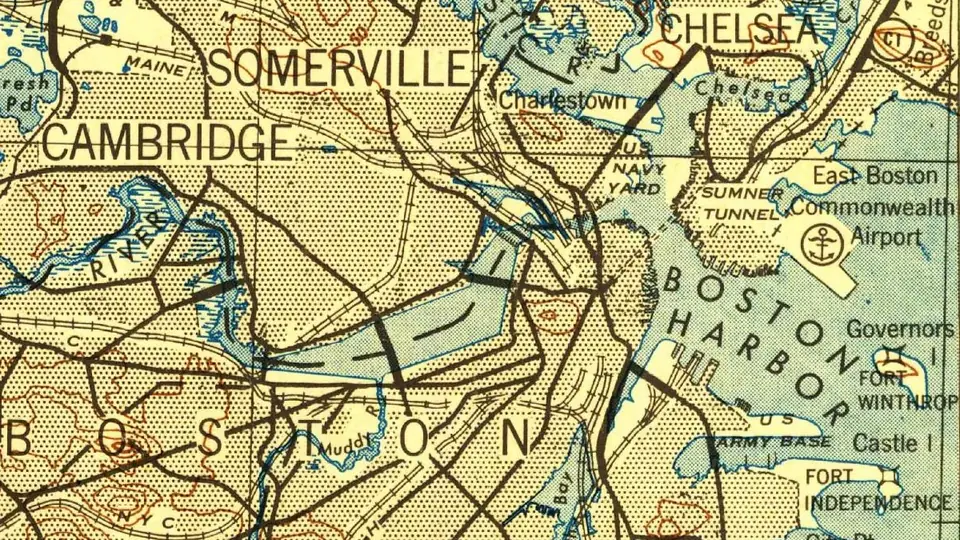
A faceless video shows what the narrator says. Name the place, the person, the object or the number in each sentence, and footage can match it: a photo of the tank, a map of the North End, the headline from the next morning.
Abstract sentences (“things got worse”) leave the editor, or ViCut, with nothing specific to show.
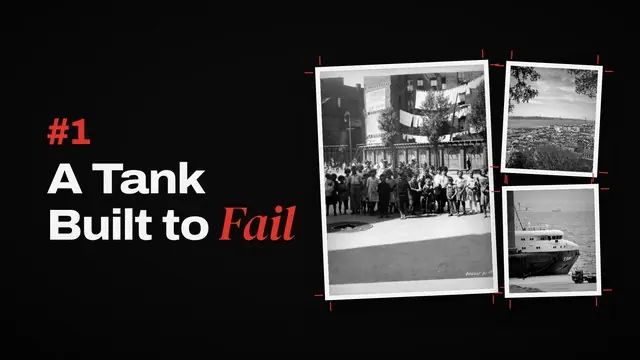
Chapter 1 · A Tank Built to Fail
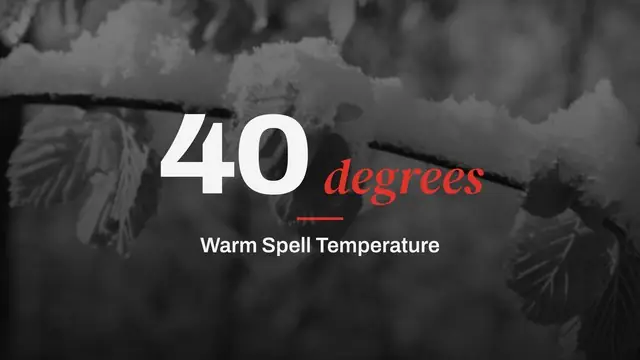
Chapter title · Graphite styleOn a warm January morning, the tank on Commercial Street gave way.
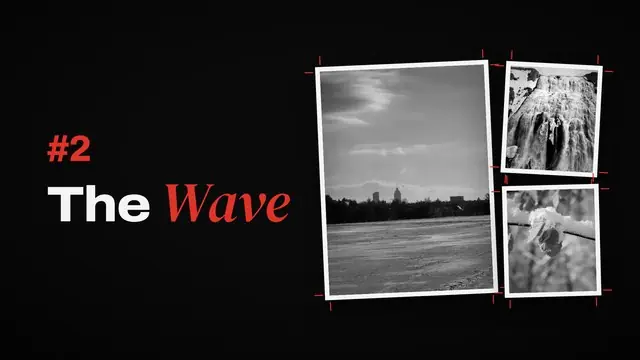
Wikimedia Commons · Public domain Wikimedia Commons · Public domainSwappedWithin seconds, a wave of molasses up to 25 feet high rolled through the North End.
Needs reviewWikimediaWikimediaWikimediaPexelsEnd with what changed
Close the question from the hook and say what changed because of this story: a law, a rule, a town that never recovered. Then one line that leads to your next video. Skip the long goodbye; retention drops fastest at the end.
Or draft it in ViCut and edit
Type the title or the event in the composer’s Idea mode. ViCut researches it with web search, writes a script in chapters with a source for every figure, and lets you edit it before the storyboard is built.
Already have a script? Paste it in Script mode, or upload your own narration.
What’s the next documentary?
A script template you can copy
The same structure works for history, true crime, engineering and places. Replace the brackets and keep the timings as a guide.
TITLE: [the promise, under 60 characters]

0:00 HOOK (about 70 words)
Open on the most dramatic moment. One surprising number.
Say the question the video answers.

0:30 SETUP
Where and when. Who was there. What was normal before.

CHAPTER 1: [title] (4–6 min)
Question: [what this chapter answers]
Facts: [2–3 dates, numbers, names]
Ends on: [the open question for chapter 2]

CHAPTER 2: [title] (4–6 min)
Question / Facts / Ends on

CHAPTER 3: [title] (4–6 min)
Question / Facts / Ends on

ENDING (about 1 min)
What changed because of this story. Where it stands today.
One line that leads to your next video.
Script mistakes that lose viewers
- 01Starting with the date and the background
“In 1919, Boston was…” loses viewers before the story starts. Open on the moment, then go back.
- 02Stacking numbers in one sentence
Three figures in a row blur together when heard. One number per sentence, and say what it means.
- 03Chapters without a question
A chapter that only lists events gives viewers no reason to stay for the next one.
- 04Promising what the video doesn’t deliver
If the title asks why, the video has to answer why. Viewers who don’t get it leave early, and retention falls.
- 05Writing for the page
Brackets, abbreviations and “as shown above” don’t survive narration. Read every paragraph aloud once.