On this page
YouTube won’t monetize a channel that mostly repurposes other people’s content without significant original commentary or changes (reused content), or that publishes repetitive, mass-produced videos (inauthentic content).
Reviewers judge the whole channel: its theme, top and newest videos, and titles and descriptions. AI tools, AI voices and licensed stock footage are not banned by name; videos with nothing original in them are.
Give every video its own research and script, use footage as evidence for the narration, credit every shot, and vary the angle. If you’re rejected, appeal within 21 days or fix the channel and reapply after 30.
Reused content vs inauthentic content
Both are part of YouTube’s channel monetization policies. In July 2025 YouTube renamed “repetitious content” to inauthentic content and spelled out that it covers repetitive and mass-produced videos.
| Reused content | Inauthentic content | |
|---|---|---|
| What it is | Content already on YouTube or elsewhere, repurposed without significant original commentary or changes | Repetitive or mass-produced videos, including generic AI templates |
| Gets rejected | Compilations with little narrative, clips downloaded and re-uploaded, other creators’ videos with light edits | Videos that differ only by names or numbers, one storyline on repeat, low educational value |
| Gets through | Commentary, criticism and reviews where viewers can see a meaningful difference from the original | A series with a shared intro and format where each video has its own story or focus |
Know what reviewers look at
The monetization review looks at the channel, not one video. A reviewer checks its main theme, the most viewed and newest videos, the videos with the most watch time, and the titles, thumbnails and descriptions.
So a few original videos don’t cover a channel full of reposted clips, and a few weak uploads at the top of the channel can sink a good one.
Write an original script for every video
The script is where originality starts. Research each topic, choose an angle, and write narration that explains, argues or tells a story. A source read aloud with stock footage under it is the classic reused-content video.
The script guide covers the hook, chapters and writing for narration.
| Reused | Original |
|---|---|
| A Wikipedia article read aloud | Own research: 12 facts with sources |
| Events in date order | A question the video answers |
| “Things got worse” | A name, a number or a place in every sentence |
Make the narration the value
Viewers should get something from the voice they wouldn’t get from the footage alone: context, cause and effect, numbers that mean something. That is the “significant original commentary” the policy asks for.
The policy doesn’t ban AI voices. It targets videos where nothing original is added, whoever reads them.
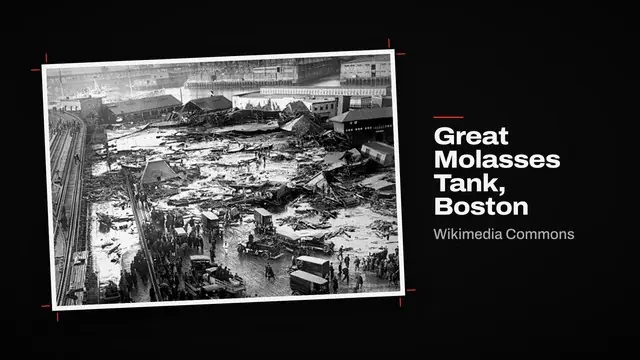
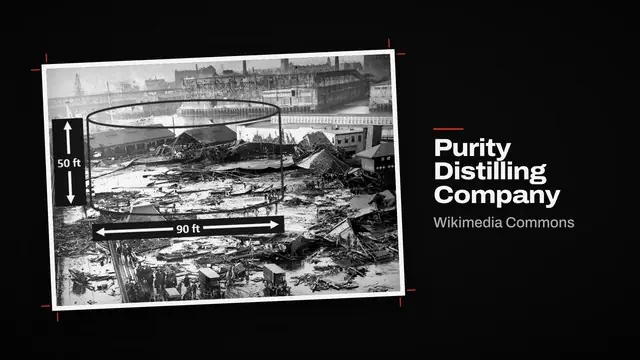
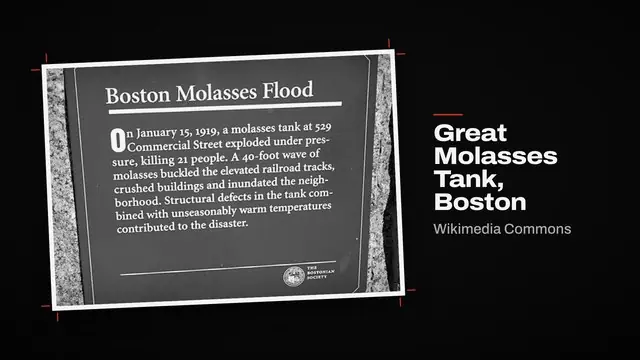
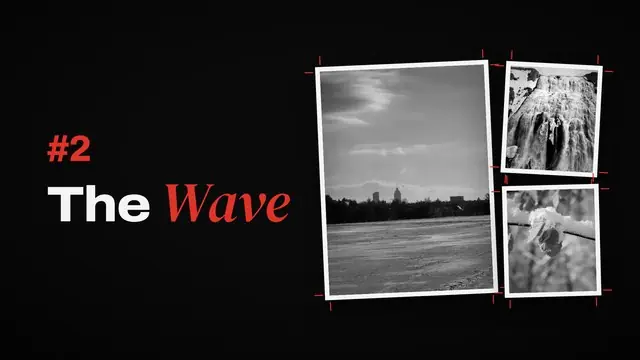
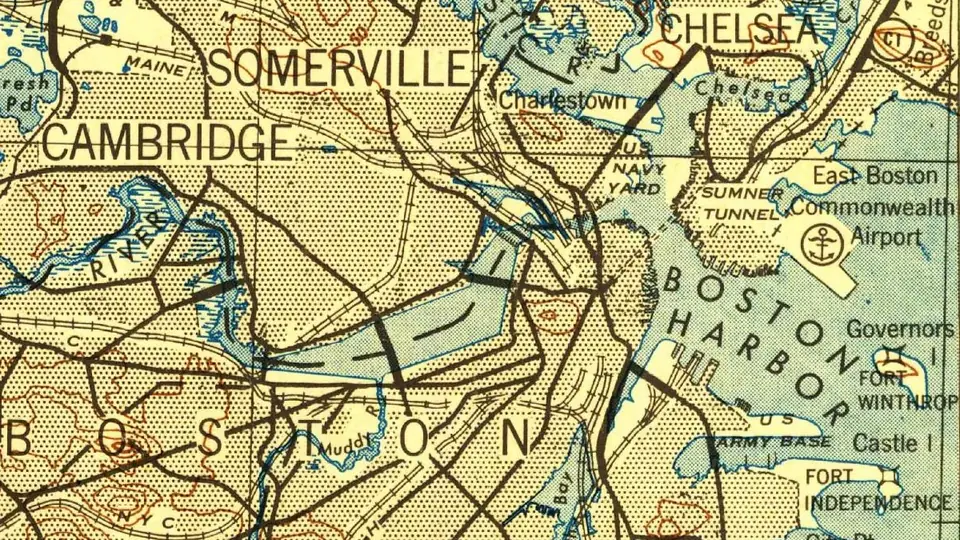
On January 15, 1919, a steel tank holding 2.3 million gallons of molasses burst in Boston’s North End.1
A wave up to 25 feet high moved through the streets at about 35 miles an hour.2
Twenty-one people died and about 150 were injured.1
Use footage as evidence, not as the video
Clips from films, TV and other channels are the fastest way to a reused-content rejection. Use licensed photos, maps and stock, and change the shot as the narration moves, so each one illustrates a sentence.
Keep the source and licence of every shot and put the credits in the description. ViCut does both for every scene and lets you swap any shot before render.
| Reused | Original |
|---|---|
| Clips from other channels or films | Licensed shots with source and licence |
| One long clip under the narration | A new shot every 4–8 seconds, matched to the words |
| Music and visuals carry the video | The narration carries it; shots illustrate it |
Don’t run one template on repeat
“Top 10 facts about [city]” with new names and the same script shape is what the inauthentic-content policy describes. A shared intro, look and format are fine; the story, research and angle must change every time.
Alternate angles across a niche: minute by minute, rise and fall, a mystery, a trial and what it changed.
| Video | Angle | Built around |
|---|---|---|
| The Molasses Flood | Minute by minute | The wave at 35 mph |
| Boston’s El | Rise and fall | Why the city tore it down |
| The 1919 police strike | A trial and its rules | What changed afterwards |
Label realistic AI content
YouTube asks creators to disclose realistic altered or synthetic content: a made-up scene that viewers could mistake for real, or a real person’s face or voice generated by AI. You tick the box when you upload in YouTube Studio.
Real archive photos, licensed footage and an AI voice reading your script don’t need the label.
Audit the channel before you apply
Before you hit 1,000 subscribers and 4,000 watch hours, look at the channel as a reviewer would. Fix weak titles and descriptions and fill in the About section.
Be careful with deleting: watch hours from deleted or private videos stop counting, and changing a video’s privacy can affect an application under review.
If you’re rejected, appeal or fix and reapply
A decision usually takes about a month. If you think it’s wrong, appeal within 21 days with an unlisted video under 5 minutes: your channel URL in the first 30 seconds, then examples of how your videos follow the policies.
Otherwise, change what the reviewer saw (the top and newest videos first) and reapply 30 days after a first rejection, or 90 days after a later one.
Mistakes that get channels rejected
- 01Compilations of other channels’ clips
A montage with a voice saying “look at this” is reused content, even with credits. Credit isn’t permission and isn’t commentary.
- 02Reading an article over stock footage
If the script is someone else’s text, nothing in the video is yours. Research and write it yourself.
- 03One template, new names
Fifty videos that differ only in the town or the number are what the inauthentic-content policy names.
- 04Deleting videos right before applying
Their watch hours go with them, and the channel can fall below 4,000 hours. Improve the top and newest videos instead.
- 05Applying again without changing anything
The second rejection pushes the next try to 90 days. Fix what a reviewer sees first, then reapply.