AI history video maker for YouTube
Type a historical event or upload your narration. ViCut researches it, writes the script and cuts an 8–35 minute history documentary from archive photos, old maps and licensed footage. You approve every shot.
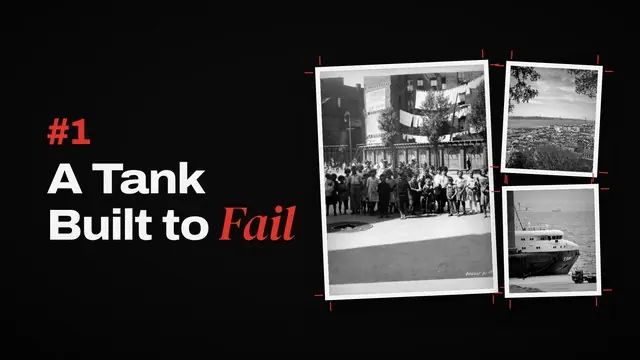
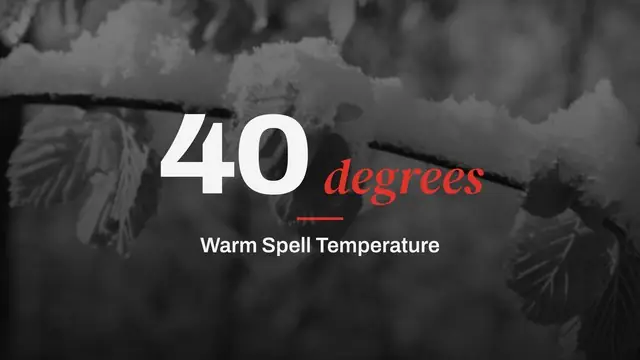
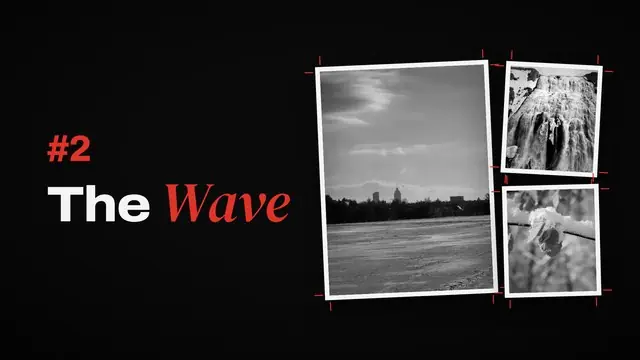
Chapter 1 · A Tank Built to Fail
Chapter title · Graphite styleOn a warm January morning, the tank on Commercial Street gave way.
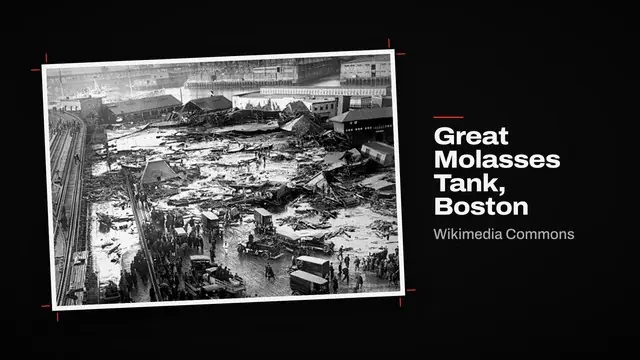
Wikimedia Commons · Public domain Wikimedia Commons · Public domainSwappedWithin seconds, a wave of molasses up to 25 feet high rolled through the North End.
Needs reviewWikimediaWikimediaWikimediaPexels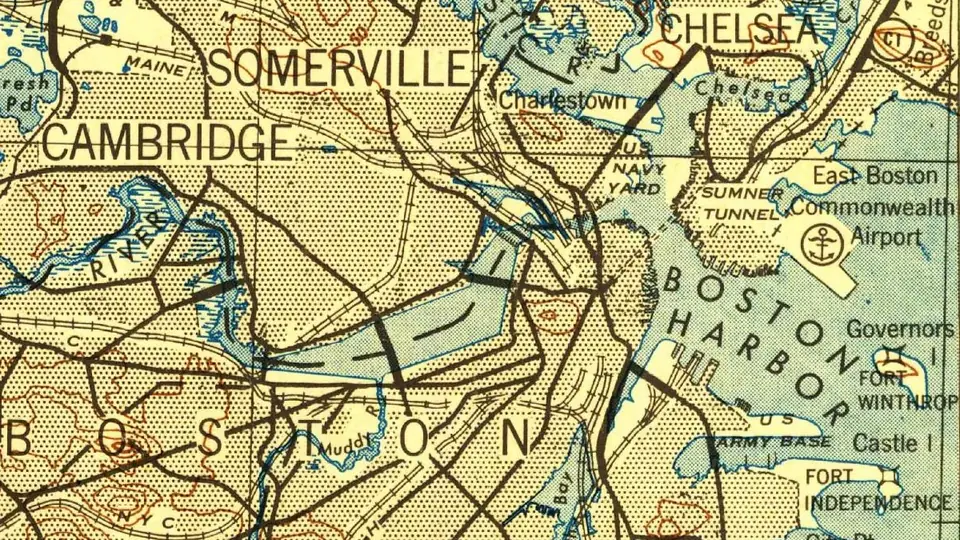
How to make a history video with AI in 4 steps
Name the event
Type an event, a person or a place and the angle you want, or paste your own script. Pick the length, voice and style.
What’s the next documentary?
Get a researched script
ViCut researches the event with web search and writes chapters with dates, numbers and a source for every figure.
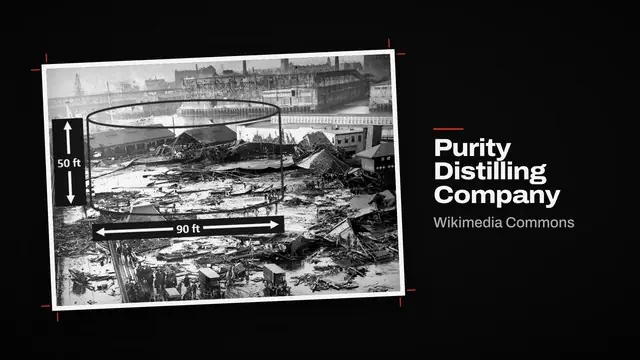
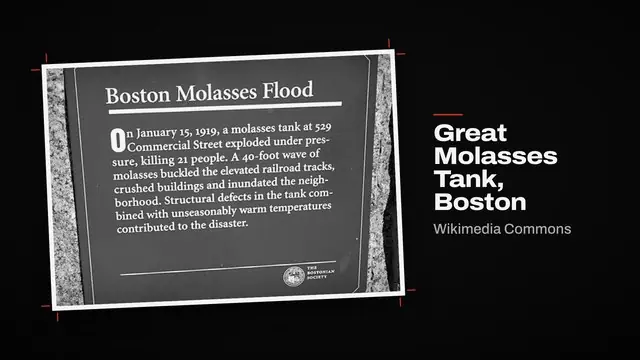
On January 15, 1919, a steel tank holding 2.3 million gallons of molasses burst in Boston’s North End.1
A wave up to 25 feet high moved through the streets at about 35 miles an hour.2
Twenty-one people died and about 150 were injured.1
Review the archive shots
Every scene with its period photo, map or clip, its source and licence. Swap any shot before render.
Chapter 1 · A Tank Built to Fail
Chapter title · Graphite styleOn a warm January morning, the tank on Commercial Street gave way.
Wikimedia Commons · Public domain Wikimedia Commons · Public domainSwappedWithin seconds, a wave of molasses up to 25 feet high rolled through the North End.
Needs reviewWikimediaWikimediaWikimediaPexelsRender and publish
Download the MP4, subtitles and the YouTube pack with chapters, sources and footage credits.
Boston Molasses Flood plaque · Wikimedia Commons · CC BY-SA 4.0
+ 42 more
7:51Real archives, not AI-generated scenes
Why archive footage
- History viewers check the factsPeriod photos of the real street, ship or courtroom make a story believable. Comments catch invented details fast.
- Source and licence on every shotWikimedia Commons, Openverse, Pexels, Pixabay and USGS maps. Credits go into the YouTube description.
- Old maps of the exact placeUSGS topographic maps from before 1980 show the town as it was when the story happened.
When AI visuals fit better
- Before photographyAncient Rome or a medieval battle has no photos; paintings and AI illustrations carry those stories better.
- Scenes nobody recordedA private conversation or a ship’s last minutes at sea are easier to draw than to find.
For these, a tool built on AI generation is the better pick. Compare AI video tools →
History videos ViCut makes
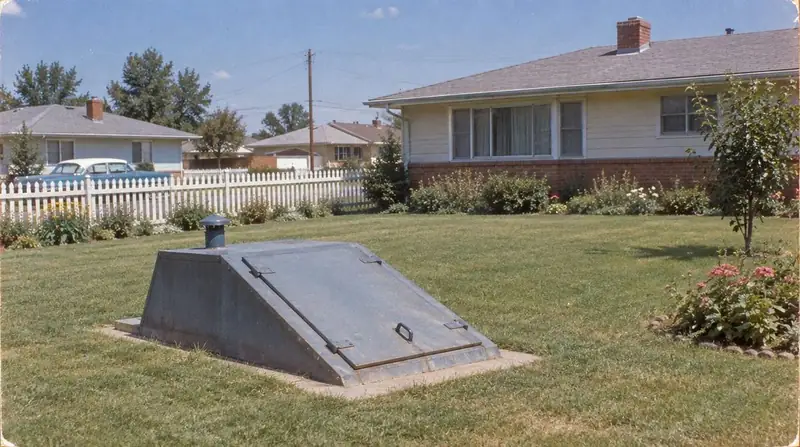
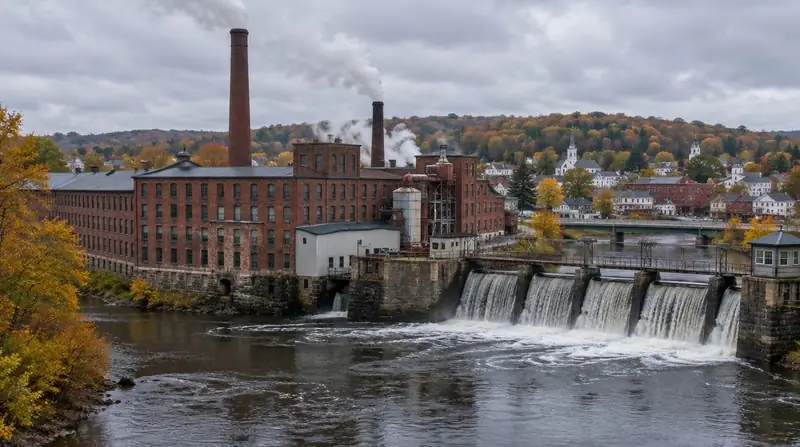
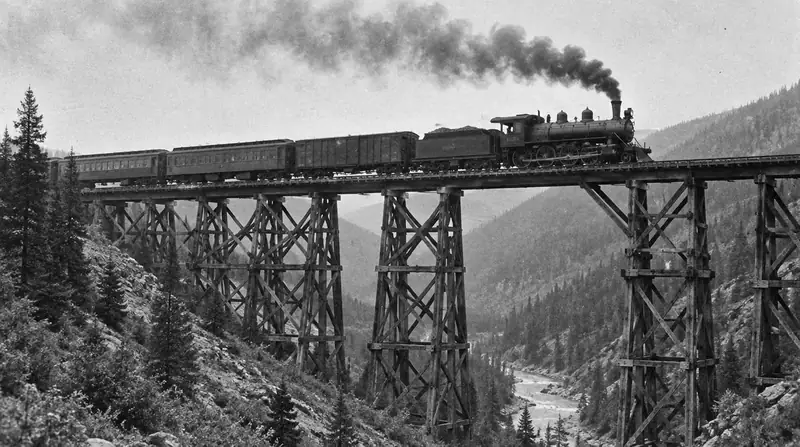
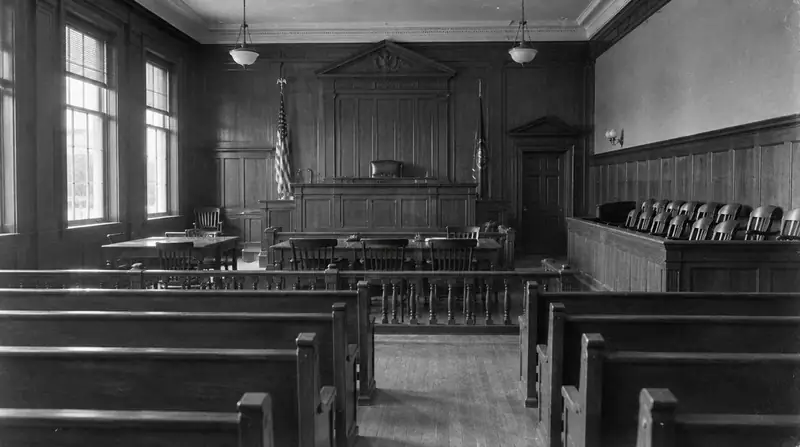
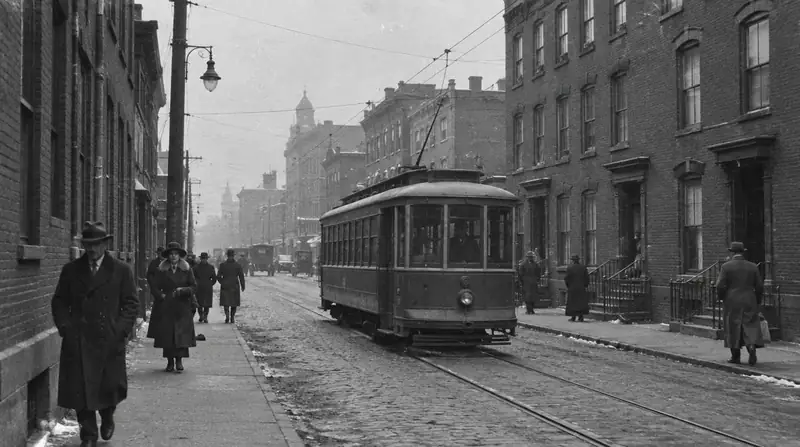
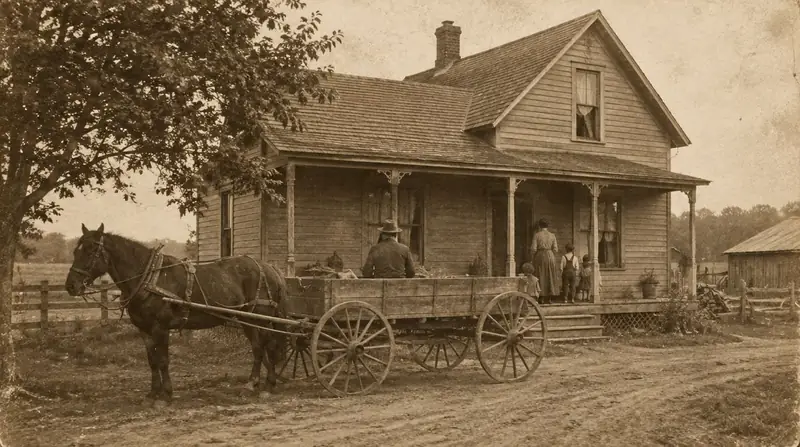
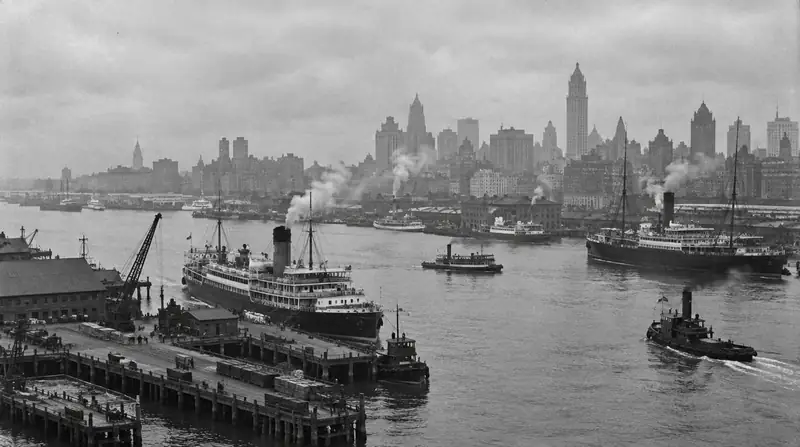
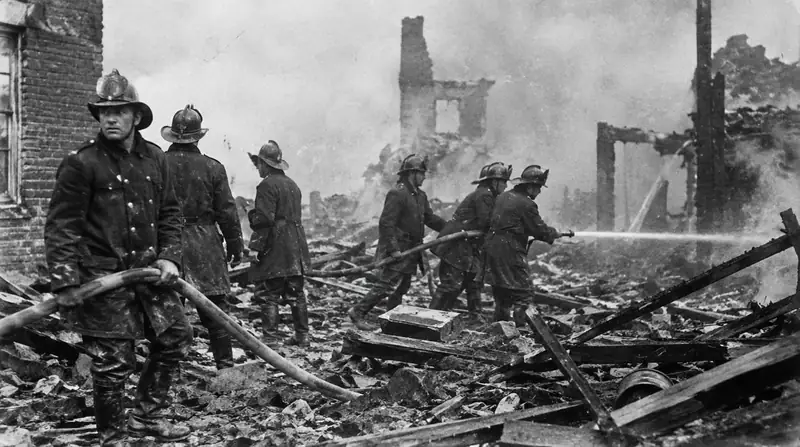
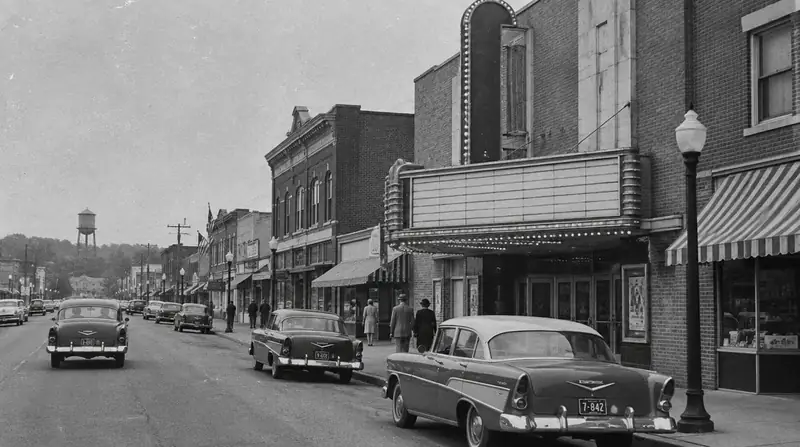
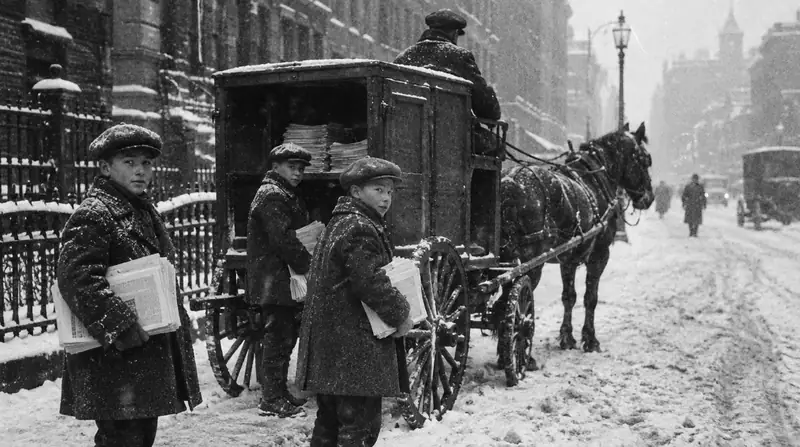
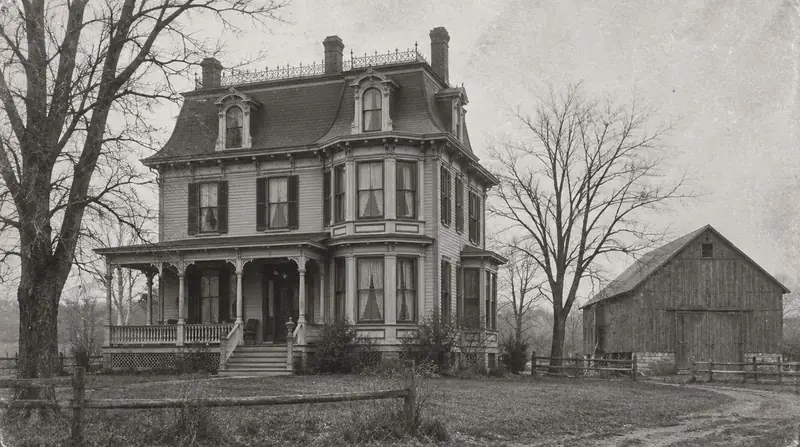
Everything a history video needs to go live
Chapters, narration and a source for every figure.
Pick a voice or upload your narration; ViCut cuts to it.
Historical maps, numbers and timelines drawn in your style.
Burned in or as an SRT file.
Options made from the video’s own frames.
Title, description with chapters, credits and tags.
Watch what ViCut makes
Frames from real ViCut renders: narration, footage, chapter cards and subtitles as they come out of the render.
From $0.42 per finished minute. A 20-minute history video uses 20 minutes of your plan.
See pricingQuestions about AI history videos
Can AI make a history documentary for YouTube?
Yes. ViCut researches the event, writes the script, narrates it with an AI voice or your own, and cuts an 8–35 minute video from archive photos, old maps and licensed footage. You review every scene before render.
Where do the historical photos and maps come from?
Wikimedia Commons, Openverse, Pexels, Pixabay and USGS historical topographic maps. Every shot keeps its source and licence, and the credits are in the YouTube pack.
Is the script historically accurate?
ViCut researches with web search and keeps the sources of the facts it uses, and you can edit the script before the storyboard is built. For a history channel, read the dates and numbers yourself before you publish.
Can I narrate it myself?
Yes. Upload your narration and ViCut cuts the video to it, or pick one of 36 AI voices in English, Spanish or German.
Can I monetize AI history videos?
Each video is a new edit with its own script, narration and archive footage, and every shot keeps its licence. YouTube reviews channels, not tools, so nobody can promise monetization.