How to start a faceless YouTube channel
Five short lessons, from picking a niche to publishing your first video, with the real math on what it takes to earn $1,000–2,000 a month from one channel.
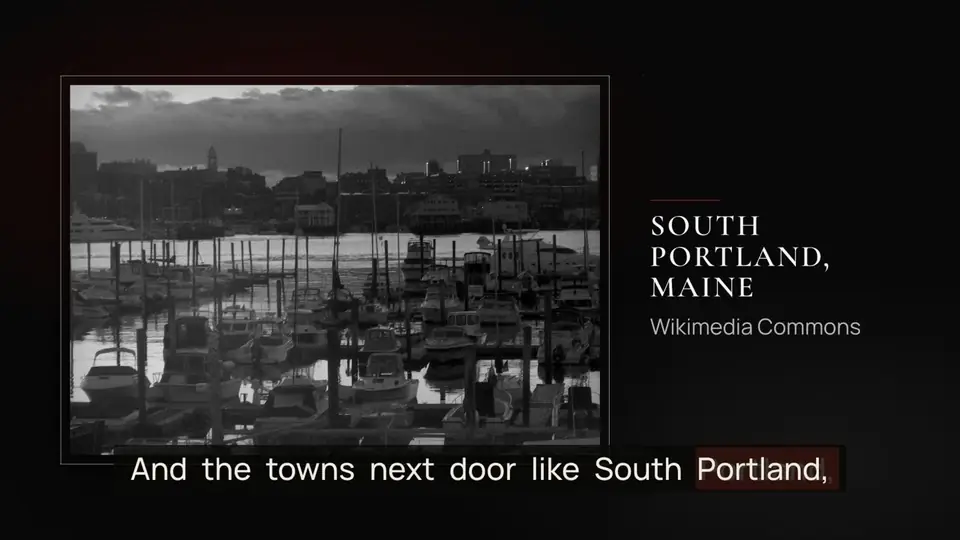

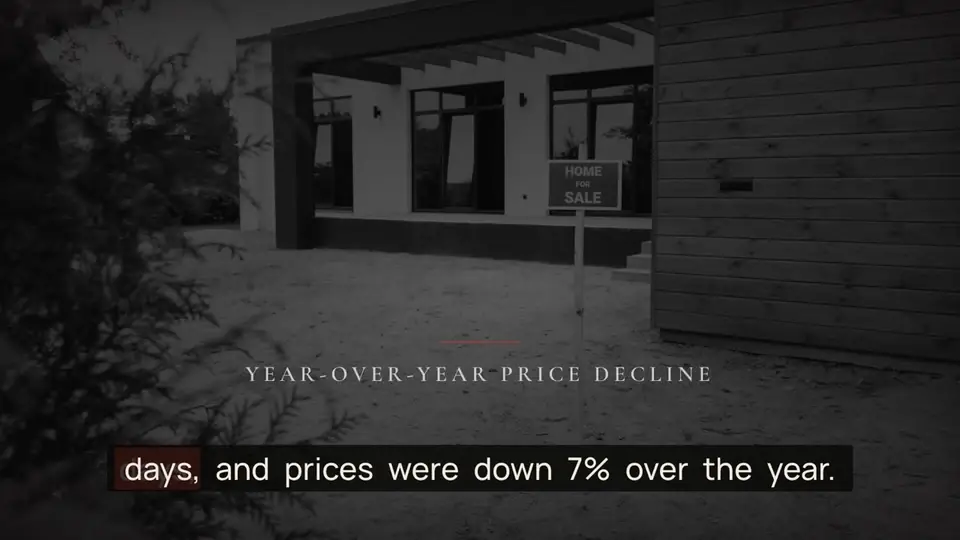
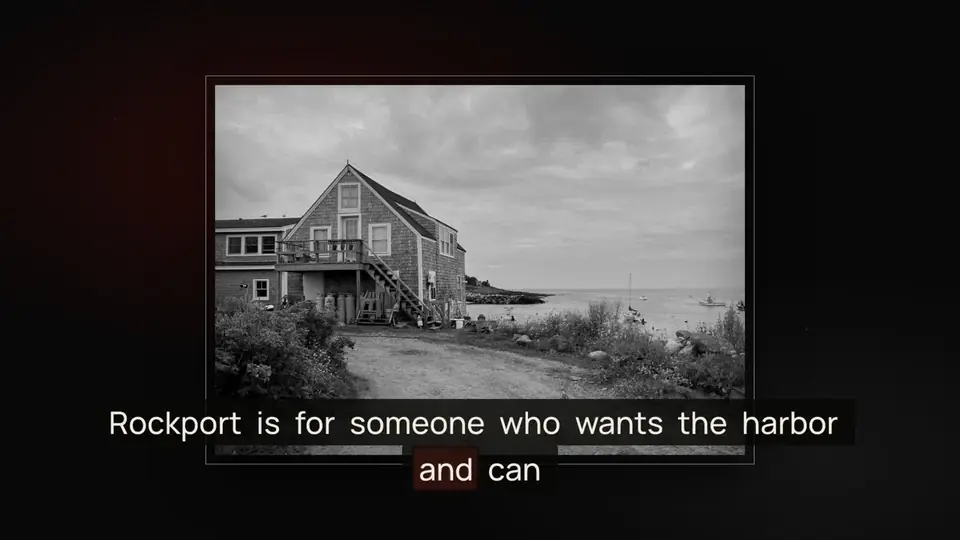
Public YouTube data, October 3–31, 2026. Not all of these channels are faceless. See the method →
To start a faceless YouTube channel, pick a niche where long videos already get views, study three growing channels, write the title before the script, make a first video you've reviewed scene by scene, and publish different topics on a steady schedule. Ad revenue needs 1,000 subscribers and 4,000 public watch hours in 12 months, or 8,000 hours for new applicants from February 1, 2027, and a channel may not get there.
What it takes to earn $1,000–2,000 a month from one channel
Ad income is views times RPM: what you earn per 1,000 views. These are estimates, and YouTube has to approve the channel first.
| Views a month | At $5 RPM | At $10 RPM | Young channels there |
|---|---|---|---|
| 100,000 | $500 | $1,000 | 30% |
| 200,000 | $1,000 | $2,000 | 21% |
| 400,000 | $2,000 | $4,000 | 11% |
Share of 1,211 young long-form channels with at least 100 subscribers, over 28 days. The median got about 23,500 views, and new channels with almost no audience aren't counted, so the real odds are lower. Earnings aren't guaranteed. See the full math →
How long does a video take?
With ViCut, about 1.5 hours of your time for a 25-minute video: a script draft in about 10 minutes, 30–50 minutes reviewing the storyboard, and preparation and render running in the background. That's one video an evening, after work.
| Your pace | Your time | To reach 30 videos | ViCut plan | Spend to get there |
|---|---|---|---|---|
| 1 a week, 10-minute videos | about 1 hour a week | about 7 months | Starter, $25 | about $175 |
| 1–2 a week | about 2 hours a week | about 5 months | Creator, $55 | about $275 |
| 2–3 a week | about 4 hours a week | about 3 months | Creator, $85 | about $255 |
| 3–4 a week | about 6 hours a week | about 2 months | Creator, $129 | about $258 |
| 5 a week, one each evening | about 8 hours a week | about 6 weeks | Creator, $199 | about $400 |
Plans are for 20-minute videos unless noted. Add time for your first few videos while you learn, and for checking facts and uploading. 30 uploads is what the typical channel had at 1,000 subscribers, among those we saw reach it. Speed doesn't replace quality: each video still needs its own story.
Five lessons. Each one ends with something you made.
About an hour of reading in total, then about 1.5 hours per video. Open any lesson, no account needed.
Set up your channel
Google account, name and handle, phone verification, avatar and banner. Skip it if you already have a channel.
- #111 min
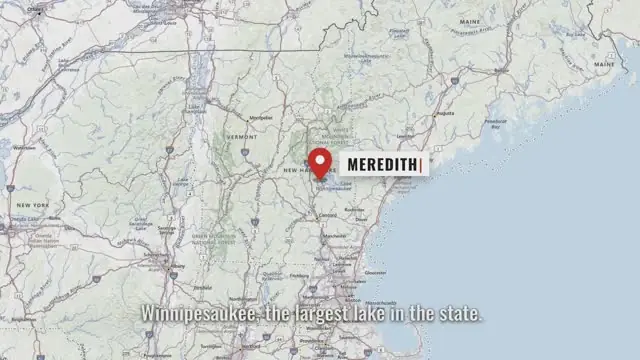
Pick a niche
You leave withThree niches scored, and one you'd bet on
- #210 min
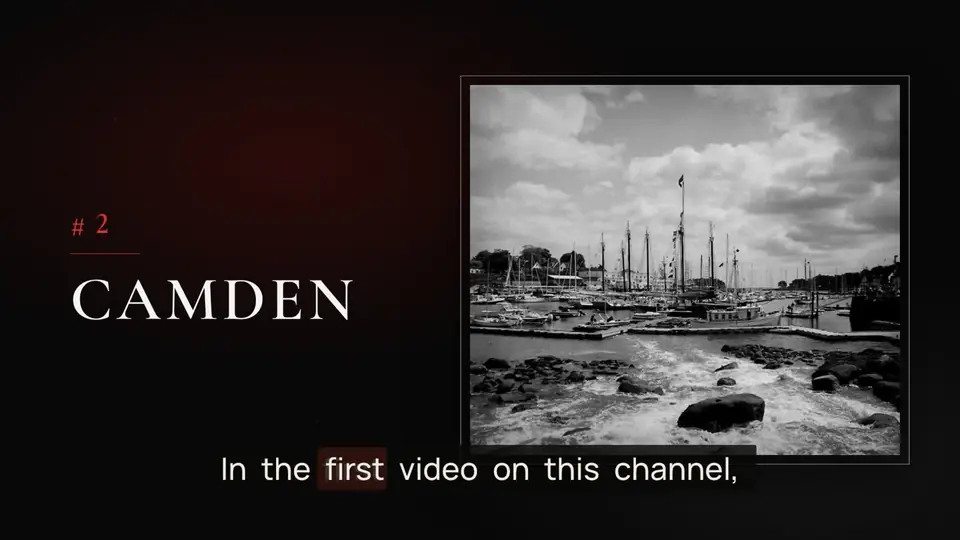
Study 3 channels, write the title
You leave withOne topic, one title, one promise
- #313 min
Write the script
You leave withA full script, edited by you
- #411 min
Make your first video
You leave withOne rendered video
- #514 min
Upload and monetization
You leave withA published video and your next 3 topics
Then: 10 videos in 30 days
Ten different topics, so you learn which ones people click and where they stop watching. Ten videos may not be enough to get monetized.
Growth data from channels anyone can look up, including the ones that stall.
Every lesson ends with something you've made, and your answers build your own channel plan.
What $1,000–2,000 a month takes in views, videos and hours. Estimates, not promises: a channel may not take off.
2 script templates, 5 prompts and a checklist
All of it is open on the materials page. Email just puts it in one place, with a lesson a day.
TITLE: [number] [places or things] [the promise], strongest words first
HOOK (50-100 seconds)
A real moment with a date and a place. Then the scale: how many, how much.
Then what these places have in common. Then what the viewer will know by the end.

NUMBER [N]: [name]  (one block per item, 90-150 seconds)
Where it is. One thing you won't find anywhere else.
Facts with sources: [number], [date], [price or census figure].
The catch, honestly: what's bad about it.
Bridge to the next number.
Write 10 YouTube titles for a [length]-minute documentary about [topic].

Rules:
- Put the strongest words first.
- Lead with the most surprising fact, not the date.
- Promise only what the facts can deliver.
- The first minute of the video must deliver what the title promises.

Then pick the 3 strongest and explain each in one line.
Get the templates and the 7-day course
One short email a day for a week. Unsubscribe anytime.
From a script to a finished documentary
This is what you'll do in lesson 4. ViCut is the paid part of the course.
What’s the next documentary?
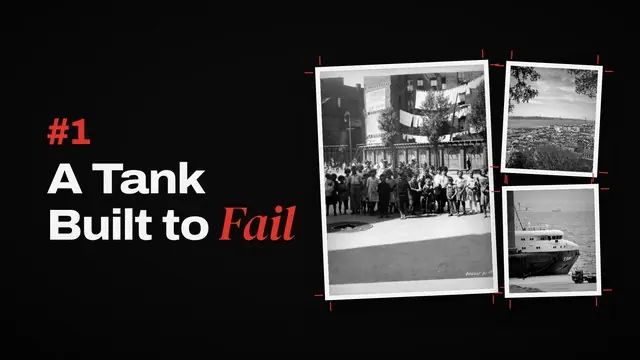
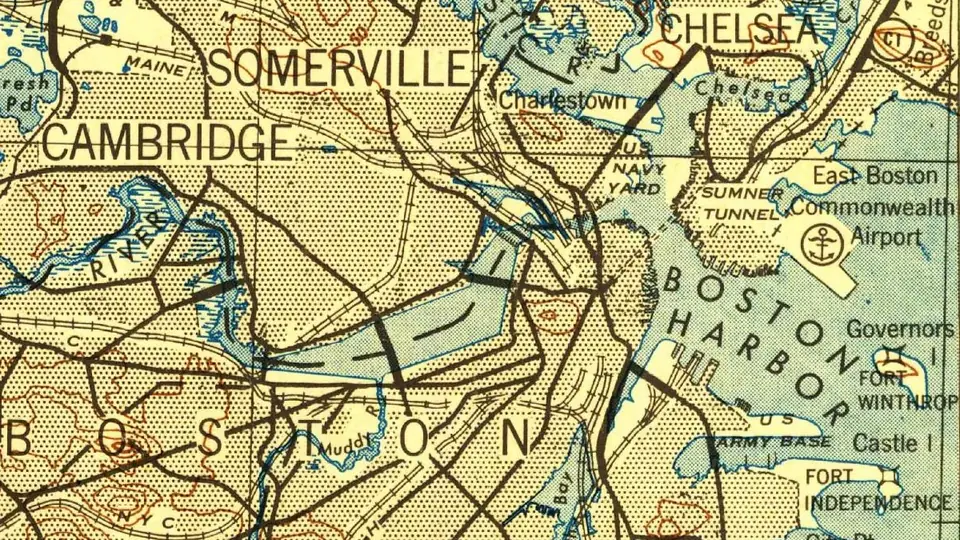
Chapter 1 · A Tank Built to Fail
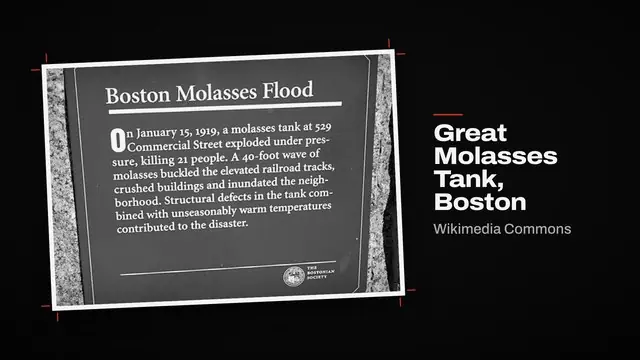
Chapter title · Graphite styleOn a warm January morning, the tank on Commercial Street gave way.
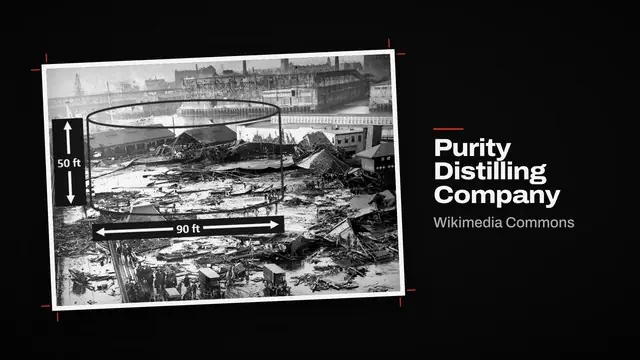
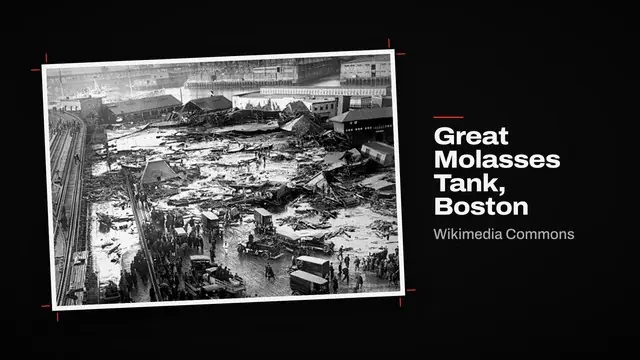
Wikimedia Commons · Public domainWithin seconds, a wave of molasses up to 25 feet high rolled through the North End.
Needs reviewWeb photo · not licensedOn a warm January morning, the tank on Commercial Street gave way.
Wikimedia Commons · Public domain Wikimedia Commons · Public domainWithin seconds, a wave of molasses up to 25 feet high rolled through the North End.
Wikimedia Commons · Public domainWikimediaWikimediaUSGSWikimedia20:04You see every scene before you render.
7:51The Great Molasses Flood
Unedited output: narration, archive photos, chapter titles, subtitles and music. The video loads when you press play.
Starter: $25 for 55 minutes. A 20-minute video costs about $9.ViCut has no free plan. Cancel anytime.
Who this is not for
Nobody can honestly promise that.
YouTube doesn't monetize repetitive, mass-produced videos.
The tool saves time. It doesn't replace your judgment.
Questions about the course
How do I start a faceless YouTube channel?
Pick a niche with proven demand, study three growing channels, write the title first, script it, review a first video scene by scene, then publish different topics on a steady schedule.
Is this course really free?
Yes. All lessons, templates and prompts are free, and you don't need an account to read them. Making videos in ViCut is paid, from $25 a month. There is no free plan.
How much can a faceless YouTube channel earn?
At an estimated $5–10 per 1,000 views, 200,000 views a month is about $1,000–2,000 from ads, once YouTube approves the channel. In October 2026, 21% of the young channels we measured got that many views in 28 days, and the median got about 23,500. Many channels never get there. See the math
Can a faceless channel get monetized?
Yes, if it reaches 1,000 subscribers and 4,000 public watch hours in 12 months and passes YouTube's review. From February 1, 2027, new applicants need 8,000 hours. Nothing guarantees approval, and repetitive, mass-produced videos aren't monetized.
How many views do I need to get monetized?
About 34,000 if people watch 7 minutes per view, and 60,000 if they watch 4. For 8,000 hours, double that. You need 1,000 subscribers too: young channels in our data had about 138,000 views when they got there.
How fast do young channels grow?
In our sample of 1,211 young long-form channels, the typical one gained 4.8% subscribers from October 3 to 31, 2026. A third gained under 2%, and 18% gained 25% or more. Channels with almost no audience aren't included. See the data
How much does it cost to make a video?
In ViCut, about $9 for 20 minutes: $0.42–0.45 per finished minute. Starter is $25 for 55 minutes.
Do I need to show my face or use my voice?
No. ViCut has 36 AI voices, or you can use your own recording.
Is the footage safe to use?
Stock and archive shots are licensed. Web photos is on by default and can bring in unlicensed photos from news sites. They're marked on the storyboard, and Replace unlicensed swaps them where a scene has an alternative. You can turn Web photos off.